
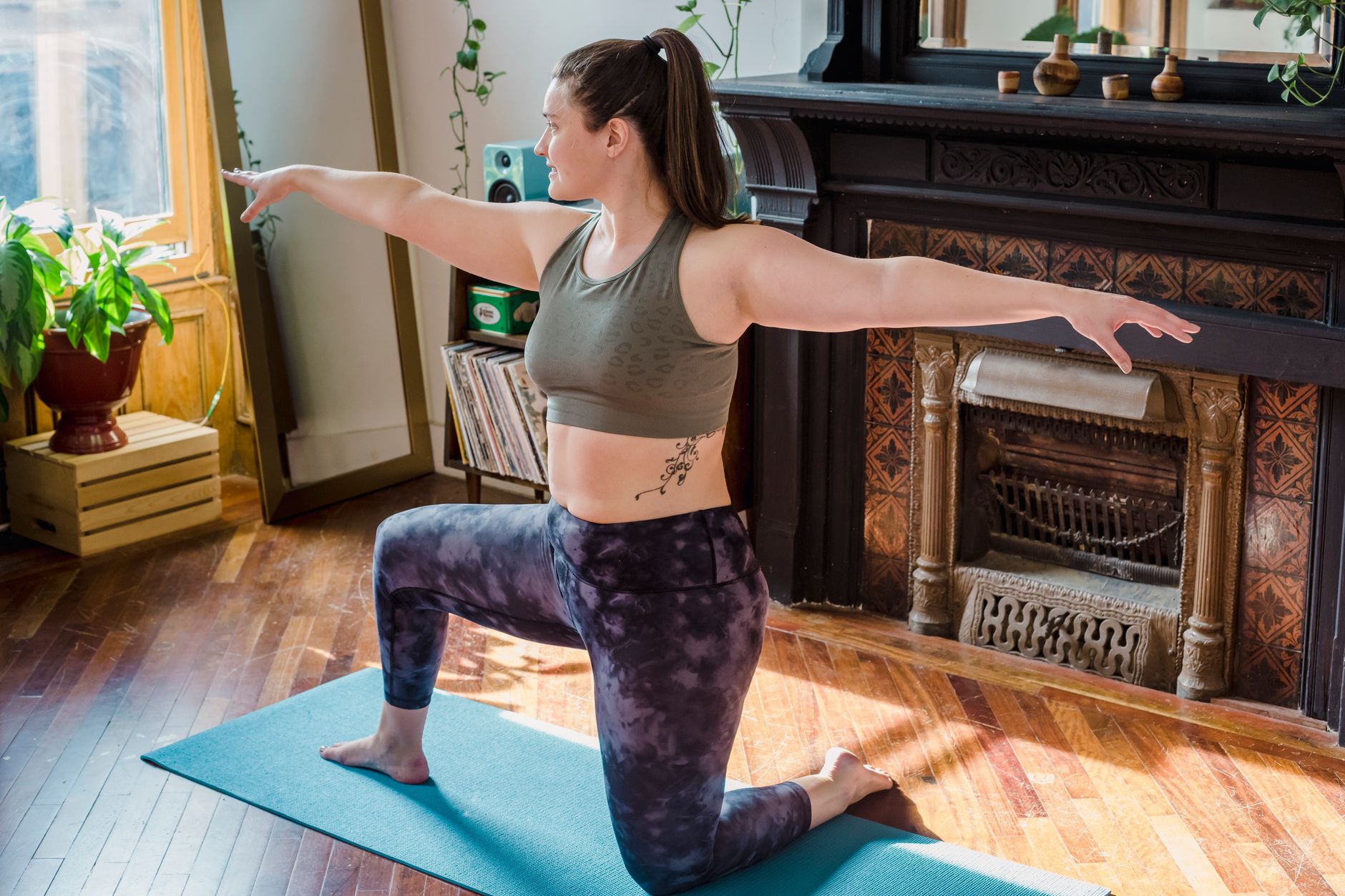
At home, you’re on your own. Take a look at this checklist that will help you to prevent accidents and reach your fitness goals.
Planning a Safe Workout at Home:
Clear a space. Most injuries occur at home and falls are the leading cause. Put away anything you might trip over, like kid’s toys or empty boxes. Ensure that you have enough room for step aerobics or lifting weights.
Wear shoes. If you’re comfortable in old sweats or paint-stained t-shirts, feel free to dress down. However, you still need proper footwear. That means closed shoes in case you drop a dumbbell and adequate support for any high impact activities.
Research purchases. Home equipment may be cheaper and less sturdy than commercial brands. Check warranties and service agreements. If your budget is limited, stick to simple gear like jump ropes and resistance bands.
Eat light. Consuming a balanced meal a couple of hours before exercising will usually keep you energised and give your body enough time to digest your food. If you’re still hungry, snack on something small like a smoothie or a cup of cottage cheese.
Stay hydrated. You still need your water bottle. The American Council on Exercise recommends about 20 ounces of water a few hours before working out, another 8 ounces a half hour before working out, and at least 7 to 10 ounces each 20 minutes while working out.
Schedule rest days. Listen to your body. It needs time off to recover and build muscle. Take a complete rest or do something gentle like a leisurely walk or restorative stretching.
Seek instruction. If you’re unsure about what to do, watch videos or borrow library books for ideas and guidance. Online classes and TV shows can even design your workout for you.
Talk with your doctor. It’s especially important to check with your doctor if you’ve been sedentary or have chronic medical conditions. There’s usually some physical activity that’s beneficial for any circumstances.
Completing a Safe Workout at Home:
Stay focused. It’s easy for your mind to wander with a house full of distractions. Staying focused will reduce your risk for careless accidents.
Customise your workout. Your individual workout can be personalised according to your interests and abilities. Respect your limits by keeping your age, medical history, and previous injuries in mind.
Check your form. Your actual posture may be significantly different than your mental image. Install a mirror or videotape yourself to see how you look in action.
Pace yourself. Gradually increase the intensity of your workouts. A talk test is one easy measurement for aerobic exercise. It’s low intensity if you can talk and sing, moderate if you can only talk, and vigorous if you’re breathing too hard to talk comfortably.
Warm up. Ease into your workout. Spend 5 to 10 minutes doing slow and gentle movements that will prepare your body and mind. Walk in place and swing your arms.
Cool down. Finish your workout with another 10 minutes of similar simple exercises. This is also the ideal time for static stretches while your body is feeling more limber.
Cross train. Develop a program that increases your overall fitness. Train for heart health, strength, balance, and flexibility.
Exercising at home is a great way to stick to a consistent routine, so you can achieve the results you’re working for. Stay on track by paying attention to your surroundings and choosing activities suitable for your goals and fitness level.
Comments
Post a Comment